UX Researcher & Product Designer

UX designer focused on cognitive systems, adaptive support, and decision-heavy experiences.

I design products for moments where users are overloaded, uncertain, or trying to make decisions from complex information.

Based in the Dallas-Fort Worth area and open to UX research, product design, and systems-oriented design roles.

MS in Applied Cognition and Neuroscience, Cognition specialization (2026)UX Research + Product DesignBehavioral research backgroundSwiftUI / Figma / usability testing / prototyping

Featured work

Complex experiences, made easier to act on.

Adaptive execution supportVariable-capacity days
  1. Observe
  2. Infer
  3. Intervene
  4. Learn
Product strategy, UX systems, interaction design, SwiftUI prototypeFunctioning iOS prototype

Time Anchor

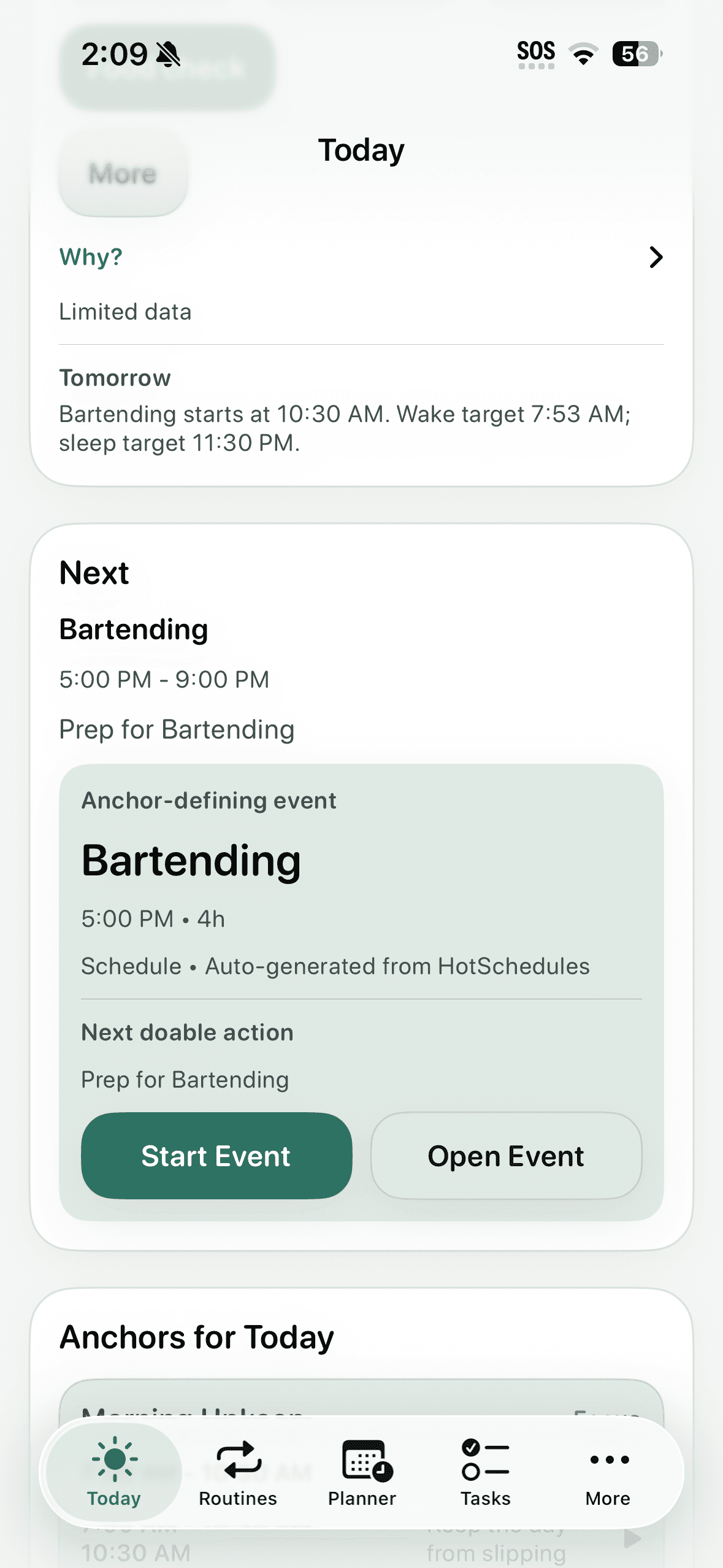
Working SwiftUI system for adaptive planning, check-ins, reminder routing, and variable-capacity days.
SwiftUI prototype with adaptive planning modes, correction capture, reminder routing, and SwiftData persistence.

Methods
SwiftUI build, Systems modeling, Scenario design, Prototype logic
Outcome
Working SwiftUI prototype with adaptive planning modes, check-ins, reminder routing, anchors, SwiftData persistence, and a privacy-first strategic extension.
UX SystemsCognitive SupportSwiftUIAdaptive Logic
NICU complexityParent overwhelmed by medical change, family questions, and fragmented updates.
What changedWhat it meansQuestions to askWho can help
UX research, information architecture, service concept, prototype directionPersonal support-system concept

NICU4U

Communication support for NICU families: parent orientation, plain-language learning, shared questions, and controlled family updates.

Grounded in a 100-day NICU stay, 578 feeding logs, journey mapping, and parent/care-team handoff patterns.

Methods
Parent journey mapping, Content hierarchy, Support flows
Outcome
A communication-support concept organized around understandable updates, next-step clarity, repeated-question relief, and parent-to-care-team coordination.
Health UXInformation ArchitectureParent Support
Difficulty3.57 -> 2.86
Confidence5.43 -> 6.00
UX design, Unity prototype, study design, analysisInteractive Unity prototype

SizeCompare

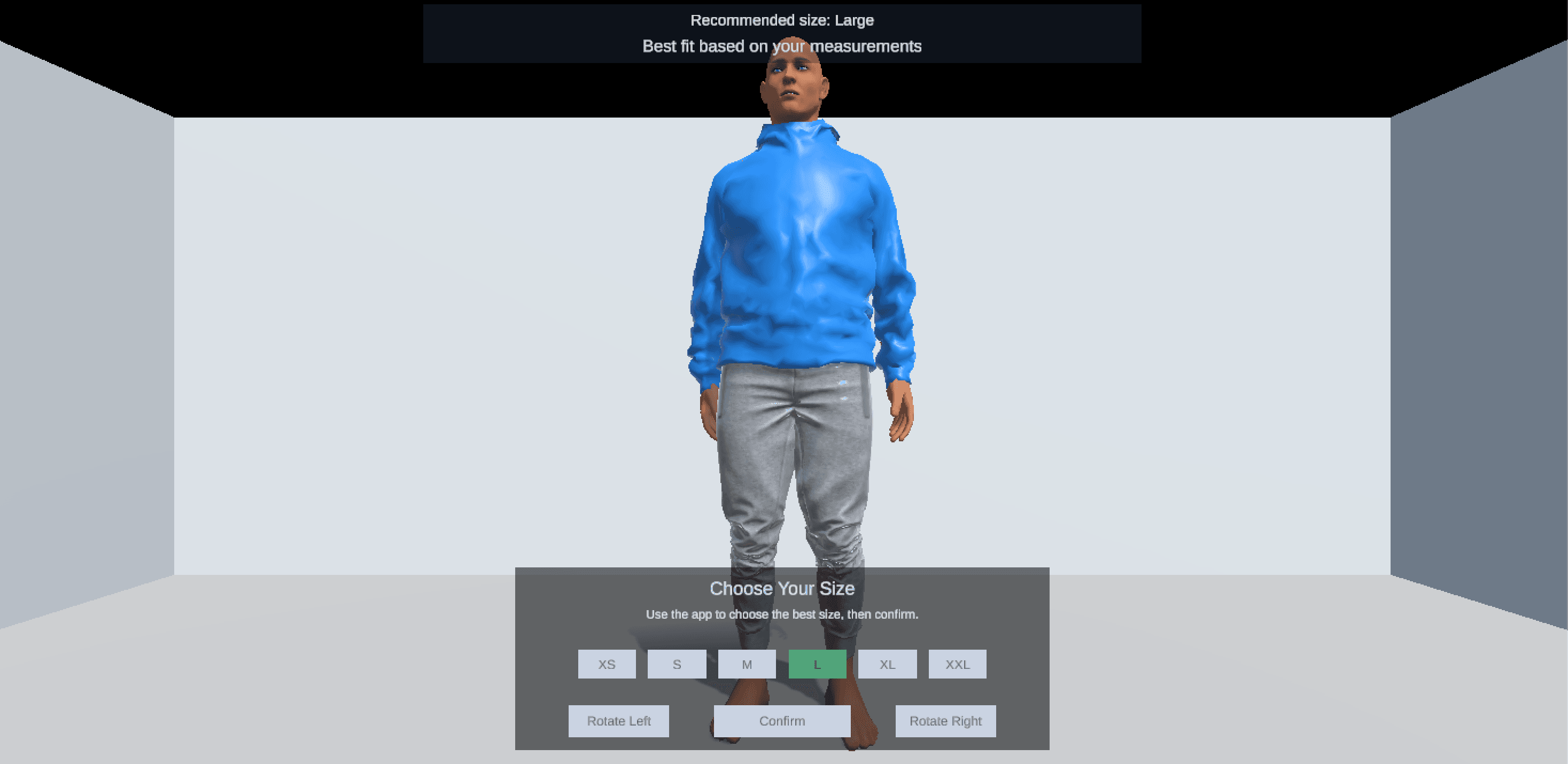
3D fit visualization research tied to sizing confidence, returns, and retail conversion risk.
Difficulty 3.57 -> 2.86; confidence 5.43 -> 6.00 in a small comparative study.

Methods
Prototype build, A/B study, Fit feedback modeling
Outcome
A Unity prototype and comparative study showing lower reported difficulty, with business framing around fit uncertainty, return risk, and ecommerce decision confidence.
Fit UXUnity PrototypeUsability Testing
Returning player habitOld controls meet new combatTransfer-aware onboarding
Control arena10
Intervention arena2
Game UX research, telemetry analysis, onboarding redesignTransfer-aware onboarding concept

AC Origins Onboarding Redesign

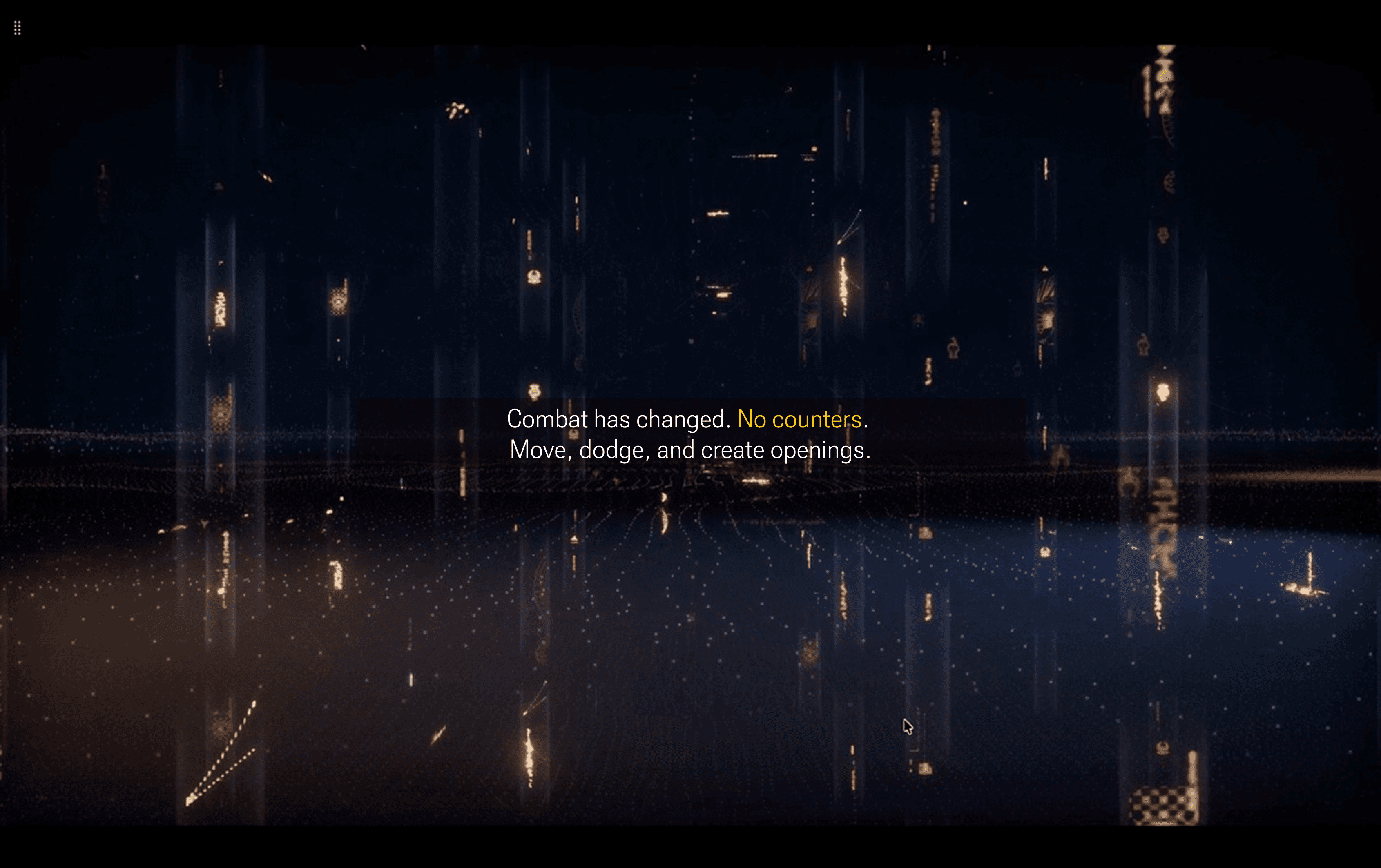
Behavior-informed onboarding research using input logs, overlays, and negative-transfer evidence.
Repeated-X detections dropped from 10 in the control arena to 2 after the intervention.

Methods
Expert review, Controller logging, Overlay testing, Input-pattern analysis
Outcome
A redesigned onboarding direction grounded in expert review, thematic analysis, controller logs, and prompt-response evidence.
Game UXOnboardingUsability Testing

How I think

Design is the structure that helps people move.

Across healthcare, productivity, retail, and games, my work studies the same pattern: people make better decisions when systems reduce uncertainty, preserve context, and clarify the next action under pressure.

Decision conditions first

I start by asking what the user is trying to decide, what context is missing, and where pressure changes behavior.

One lens, many domains

The same cognitive problems show up in healthcare, productivity, retail, games, and financial decisions.

Research into action

I translate evidence into flows, constraints, intervention points, and decisions users can actually move through.

My background is in Applied Cognition and Neuroscience, behavioral research, and product design. I study how people move through uncertainty, overload, transitions, fragmented information, and execution friction. The domains change; the decision problem is the through-line.

Read about my background